
Silent Link Between Gut Health and Hormones : What You Might Be Missing – “I’ve cleaned up my diet. I take my hormones. But I still feel bloated, tired, and out of whack.”
We hear this kind of thing often at Dr. Scott’s Restorative Health. What many people don’t realize is that your gut and hormones are in constant conversation, and when one is out of balance, the other usually is too.
Let’s break down how gut health impacts your hormone function and what you can do to support both.
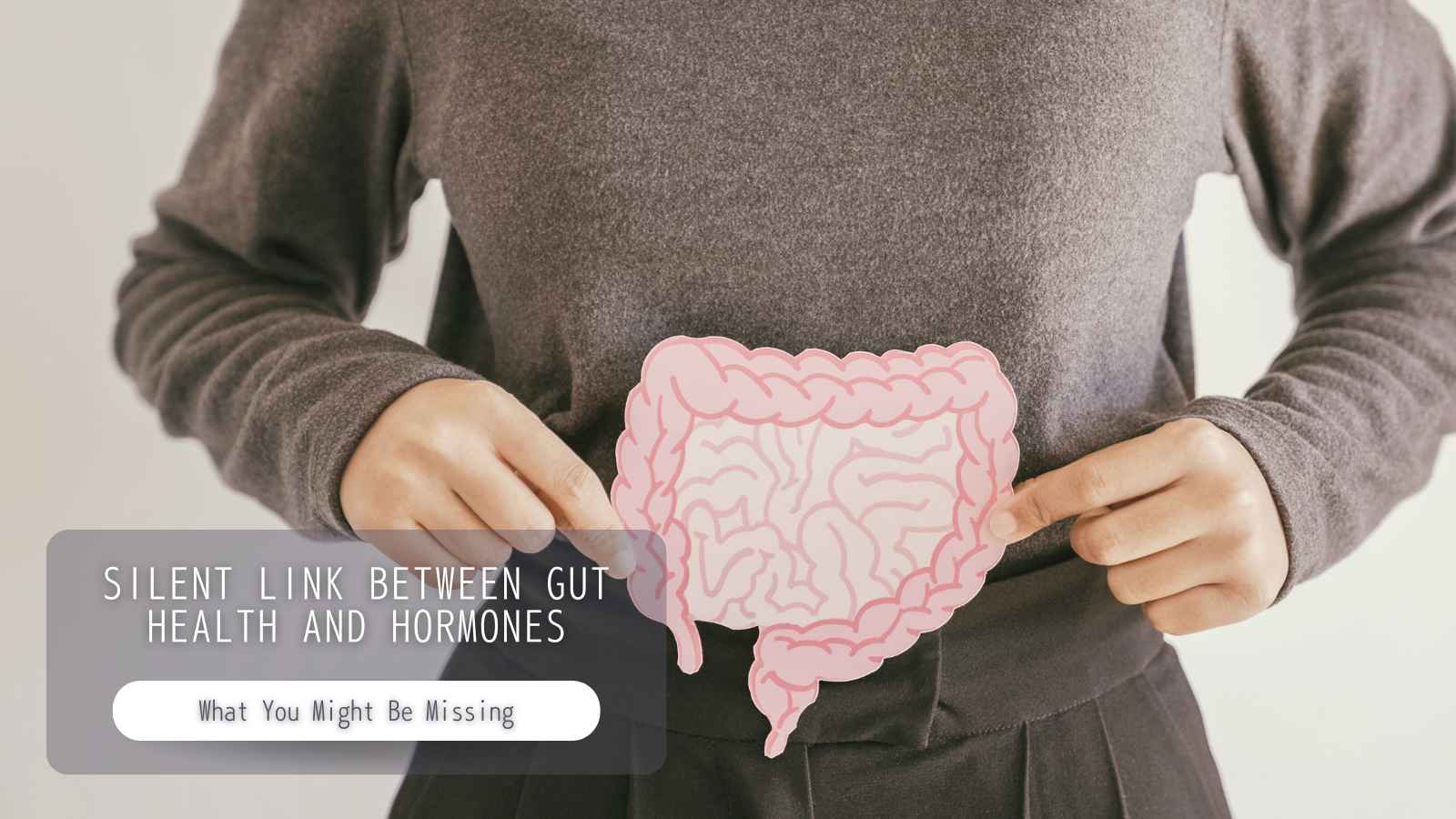
Hormones Don’t Work Alone—They Depend on the Gut
Your gut is responsible for:
- Absorbing nutrients needed to make hormones
- Detoxifying and eliminating used hormones
- Regulating the balance of estrogen, testosterone, thyroid hormones, and cortisol
- Communicating with your brain via the gut-brain axis
If your gut is inflamed, leaky, or overrun with the wrong bacteria, it can disrupt hormone production, metabolism, and signaling.
3 Big Hormone-Gut Connections You Should Know
- Estrogen & the Estrobolome
Your gut contains specific bacteria that process estrogen. This collection is known as the estrobolome.
When your gut is imbalanced (due to antibiotics, poor diet, stress, or inflammation), estrogen may not be properly eliminated—and it gets reabsorbed into your bloodstream, leading to:
- Estrogen dominance
- PMS or heavy periods
- Breast tenderness
- Mood swings
- Weight gain (especially in hips and thighs)
➡️ Supporting your estrobolome helps your body regulate estrogen naturally—without over-relying on HRT or detox gimmicks.
- Testosterone, Inflammation & the Gut Barrier
For men and women, testosterone levels are also influenced by gut health.
Chronic gut inflammation can:
- Disrupt cholesterol conversion into testosterone
- Trigger cortisol release, which suppresses testosterone
- Damage the gut lining, which raises systemic inflammation (further reducing T)
➡️ Healing the gut = supporting healthy testosterone production and metabolism.
- Thyroid Hormones & Gut Bacteria
Roughly 20% of your inactive thyroid hormone (T4) is converted into active T3 in the gut. If your microbiome is off, that conversion may be impaired—leading to symptoms like:
- Fatigue
- Constipation
- Depression
- Cold hands/feet
- Brain fog
➡️ Balancing your gut bacteria supports better thyroid hormone activation.
5 Signs Your Gut Might Be Messing With Your Hormones
- Bloating or irregular digestion
- Hormone therapy not working as expected
- Mood swings or anxiety
- Fatigue that doesn’t improve with sleep
- Weight gain despite healthy habits
If this sounds like you, it’s time to think beyond hormones alone.
What You Can Do to Restore the Gut-Hormone Connection
At Dr. Scott’s, we take an integrative approach to hormone optimization. That often includes gut support using functional medicine tools like:
✅ GI-MAP testing (to assess gut bacteria, pathogens, and inflammation)
✅ Glutamine + aloe (for gut lining repair)
✅ Probiotics like UltraFlora Spectrum or SporeBiotic
✅ Digestive enzymes to enhance nutrient absorption
✅ Fiber + antioxidants to bind and eliminate used hormones
✅ Liver support via Clear Change® or targeted Phase II detox nutrients
🛒 Most of these products are available in Dr. Scott’s Fullscript store for direct shipping to your door.
👉 https://doctorscotts.com/vitamins-supplements/
Final Thoughts on the Silent Link Between Gut Health and Hormones: What You Might Be Missing
If you’re doing all the “right things” for your hormones but still don’t feel right, look to your gut.
Your body is smarter than you think.
Sometimes the key to balanced hormones isn’t more hormones.
It’s creating a healthy environment for your body to thrive in.
📞 Call us at 704-282-9355 to schedule a consult
🌐 doctorscotts.com
Please find Dr. Scott’s Restorative Health on Facebook and Instagram to keep up with our specials and offerings.
Sign up for our newsletter here.